

The Flair of the Workshop
Learning and understanding the dances and the Bon Ton around 1800

I. Invitation to a week
of gallant dance art
II. The Dances of the Regency Era around 1800
III. The historic Council Chamber
in the Eichstätt Town Hall
IV. The Art of Dancing:
From Practice to Grace
V. Understanding the Whence and Why
VI. True Tact and the Courage to Encounter
I. Invitation to a week
of gallant dance art
Is there a more beautiful pleasure than to surrender oneself entirely to the sublime art of dance for a festive week? Nothing banishes everyday life more elegantly and enlivens the senses more swiftly than challenging the mind with graceful figures and the body with delicate steps.
Have you not often harbored the desire to immerse yourself in the subtle world of Jane Austen and the Empire? These days together equip you with everything you need to shine with consummate elegance and confidence at the most glamorous balls of the future. Eichstätt – that incomparable jewel of the Rococo – offers us with its magnificent buildings the most beautiful stage conceivable, where we are always received with great cordiality.
Even in the days around 1800, Contredanses in the ballrooms from Bath to London were the epitome of sociability. As the novels of Jane Austen and the chronicles of the time bear witness, these dances provided excellent amusement and the tender bond of approach deep into the night, both at festive gatherings and in intimate circles.
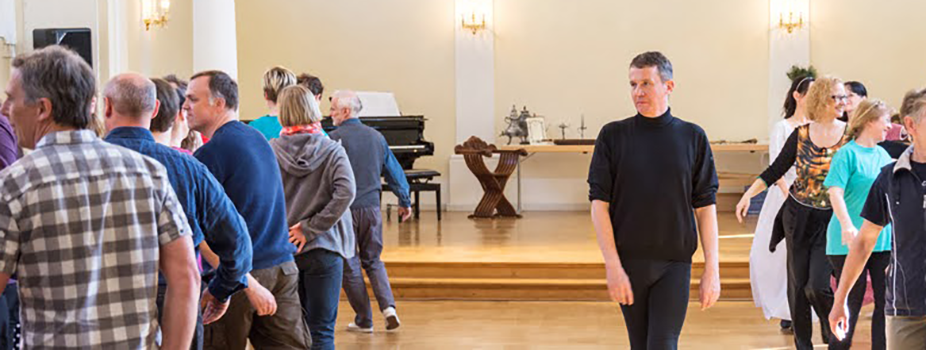
Since the pure joy of encounter is at the center of our endeavors, I have arranged an exquisite repertoire of the most beautiful dances for you. We carefully work out the fundamental steps and footing figures up to sweeping spatial paths and graceful sets. Thus, the entire program of the Grand Ball unfolds effortlessly even for beginners. Naturally, the society that solely wishes to enjoy the instruction as preparation is also most welcome.
II. The Dances of the Regency Era around 1800
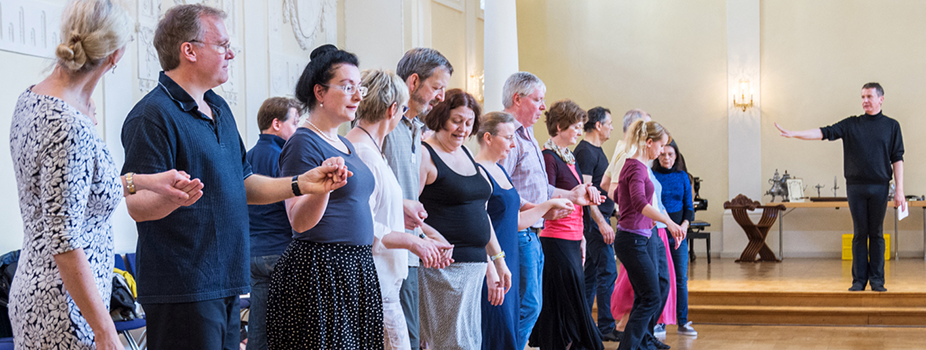
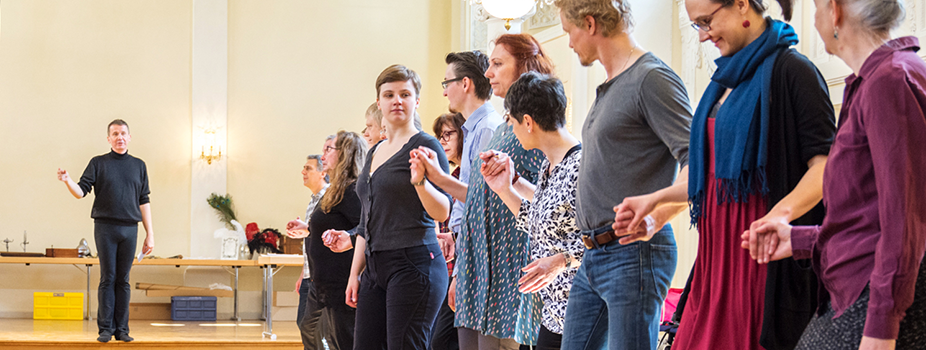
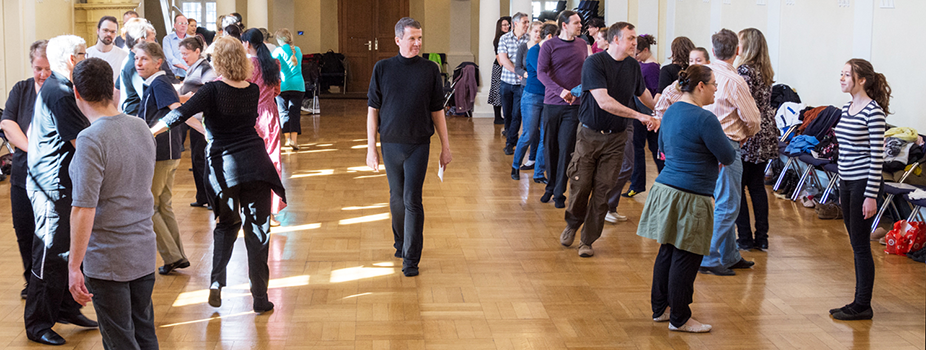
The repertoire of our ball preparation draws from the heyday between 1770 and 1820. We dedicate ourselves to the popular Duple Minors and Triple Minors, festive Cotillons, and lively Quadrilles of the epoch. In doing so, we combine the graceful lightness of English Country Dances with the distinguished figures of the continental salons. To make the program accessible to everyone and at the same time historically grounded, your Maître de Danse accompanies you step by step through the choreographies, so that the dance figures succeed naturally and relaxedly on the ball night.
III. The historic Council Chamber
in the Eichstätt Town Hall
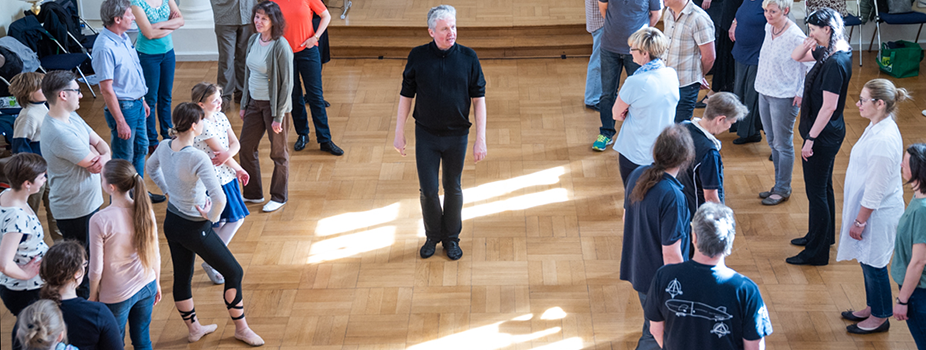
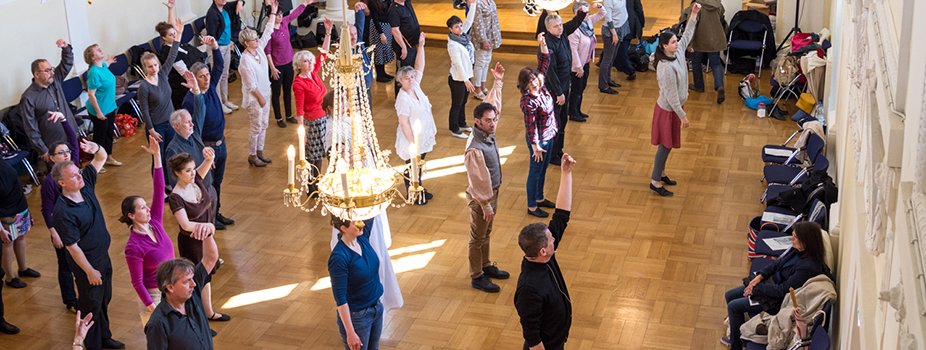
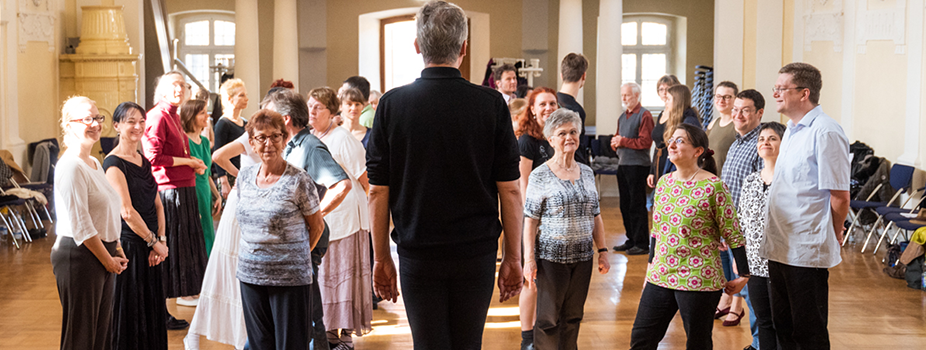
Where the destinies of the city are guided, we dedicate ourselves to artistic education. The historic Town Hall in the middle of the market square harbors a true gem within: A banquet hall with a consummately formed, filigree Rococo stucco ceiling. This masterpiece of artisanal elegance breathes the spirit of past centuries and provides the most authentic and inspiring setting for our workshop. Large windows facing the market square flood the parquet with bright daylight and create an atmosphere that unites concentration, lightness, and dignity. During the breaks, the tradition-steeped Café Zum Paradeis beckons right next door – for that is the unmistakable magic of Eichstätt: Everything is within easy walking distance.
IV. The Art of Dancing:
From Practice to Grace
When it comes to conveying these dances, we intensively refine steps, posture, and spatial paths in class, until the tours effortlessly become second nature to you. This precise rehearsal has an exceedingly charming reason: Only those who have internalized the sequence of figures can exude that carefree lightness, the fine humor, and the sovereignty on the evening of the grand ball that characterizes the Regency world. The concentrated preparation during the day is the secure foundation for the liberated, glamorous dancing on the ball night.
V. Understanding the Whence and Why
It is not sufficient merely to repeat sequences of steps. In the course, we always fathom the whence and why as well. We derive our posture directly from the dance manuals circa 1800 and observe the fine social conventions of Regency society.
A Country Dance or Cotillon was far more than a mere pastime in the era of Jane Austen. It was a subtle mirror of etiquette, a silent yet eloquent conversation and the most elegant means of gallantry. Whoever understands these connections and lets them flow into their movement does not merely execute steps – they awaken the epoch to true life.
VI. True Tact
and the Courage to Encounter
The true centerpiece of this dance culture is tact – in its purest, twofold meaning. It demands devotion to the music, attentive listening, and harmonious merging with the lively rhythms. Equally indispensable is the mindful, polite interaction within the dance line.
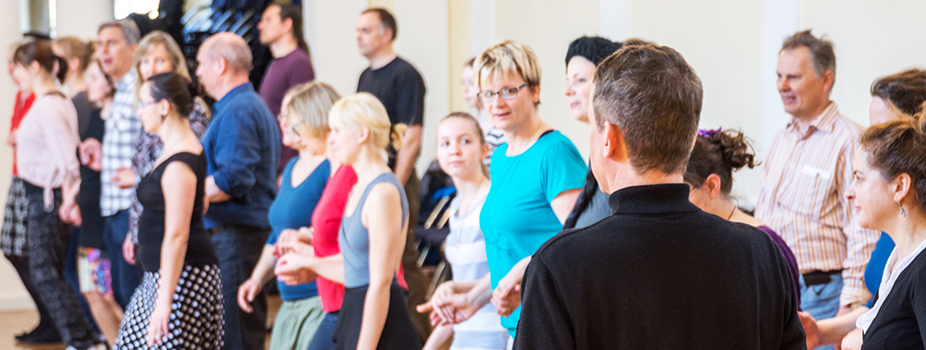
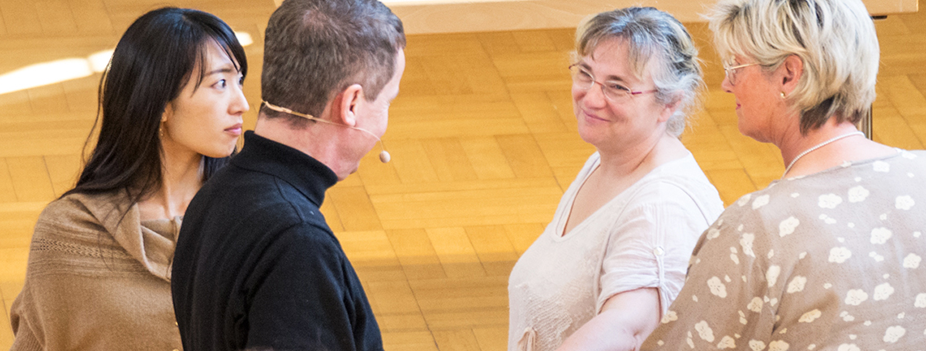
A historical dance is never an isolated performance. It is a precious, shared moment of community and togetherness. Detach your gaze from the parquet, bestow an open, sincere smile upon your counterpart and seek the eyes of your dance partner. Only when we allow this genuine contact and shed all shyness does the Bon Ton of the Regency era unfold its entire, inimitable magic.